
Major autism study uncovers biologically distinct subtypes, paving the way for precision diagnosis and care
Researchers at Princeton University and the Simons Foundation have identified four clinically and biologically distinct subtypes of autism, marking a transformative step in understanding the condition’s genetic underpinnings and potential for personalized care. Analyzing data from over 5,000 children in SPARK, an autism cohort study funded by the Simons Foundation, the researchers used a computational model to group individuals based on their combinations of traits. The team used a “person-centered” approach that considered a broad range of over 230 traits in each individual, from social interactions to repetitive behaviors to developmental milestones, rather than searching for genetic links to single traits. This approach enabled the discovery of clinically relevant autism subtypes, which the researchers linked to distinct genetic profiles and developmental trajectories, offering new insights into the biology underlying autism. Their results were published July 9 in Nature Genetics.
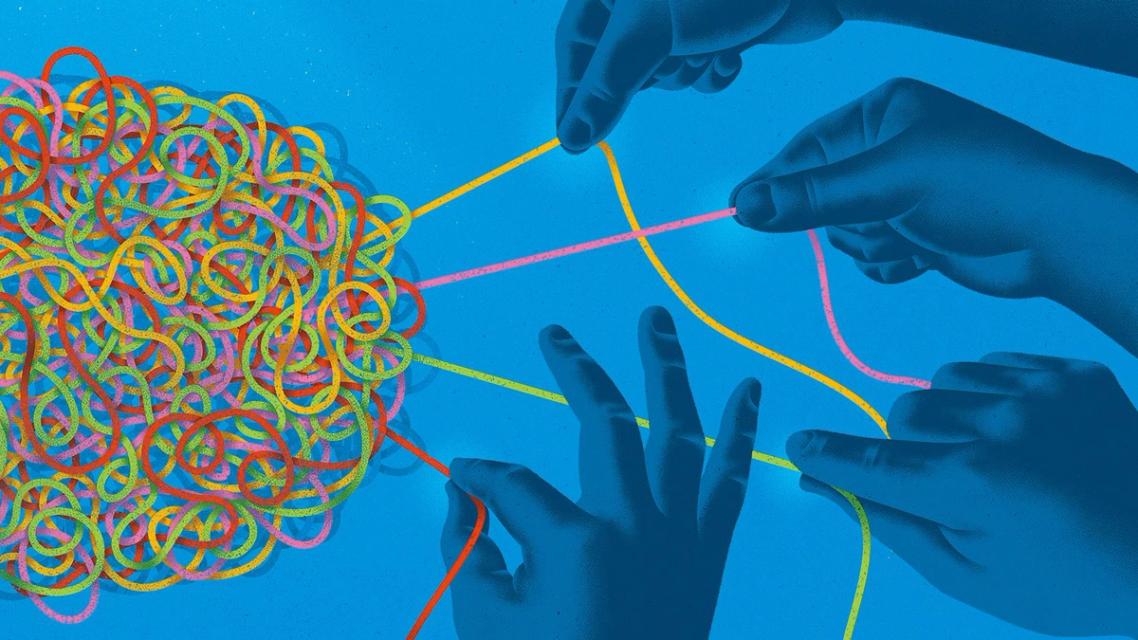
Researchers at Princeton University and the Simons Foundation have identified four clinically and biologically distinct subtypes of autism, marking a transformative step in understanding the condition’s genetic underpinnings and potential for personalized care.
Analyzing data from over 5,000 children in SPARK, an autism cohort study funded by the Simons Foundation, the researchers used a computational model to group individuals based on their combinations of traits. The team used a “person-centered” approach that considered a broad range of over 230 traits in each individual, from social interactions to repetitive behaviors to developmental milestones, rather than searching for genetic links to single traits.
This approach enabled the discovery of clinically relevant autism subtypes, which the researchers linked to distinct genetic profiles and developmental trajectories, offering new insights into the biology underlying autism. Their results were published July 9 in Nature Genetics.